

End-to-End Automotive Lighting Excellence
From design concept to production, our deep knowledge of manufacturing, tooling, finishing, and assembly ensures every design is production ready. This comprehensive approach allows us to supply fully assembled “plug-and-play” electronic illumination systems that integrate seamlessly into automotive production lines.
POAL’s complete solution methodology eliminates the complexity and coordination challenges typically associated with multi-supplier automotive lighting projects. By managing every aspect of the development and production process, we ensure optimal quality, timing, and cost-effectiveness.
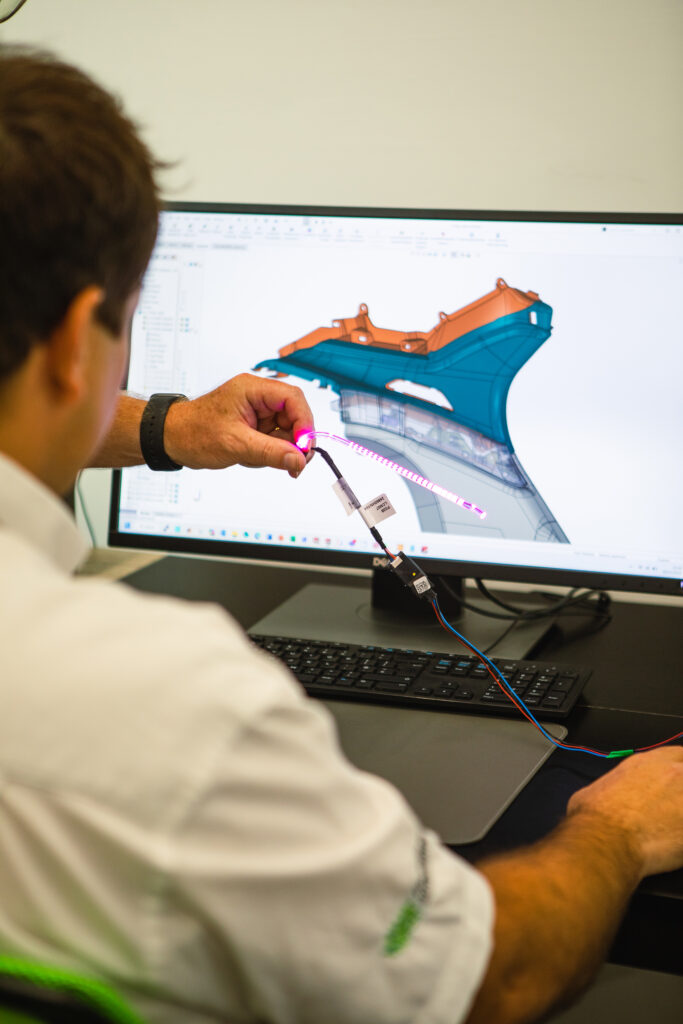
Streamlined Development from Concept to Production
Concept Development & Analysis
We understand your lighting needs, evaluate design feasibility, define specifications, and establish cost targets.
Prototyping & Validation
We create rapid prototypes, conduct comprehensive testing, gather client feedback, and refine the design.
Full-Scale Manufacturing
We manage volume production, quality assurance, and logistics coordination aligned with your needs.
Integrated Design & Engineering
We design the optical systems, mechanical components, electronics, and thermal management solutions.
Production Preparation
We design tooling, set up supply chains, establish quality systems, and plan production scaling.
Ready to illuminate your next project?
Let’s discuss how POAL can support your automotive lighting requirements.
Why Choose Our Complete Solution?
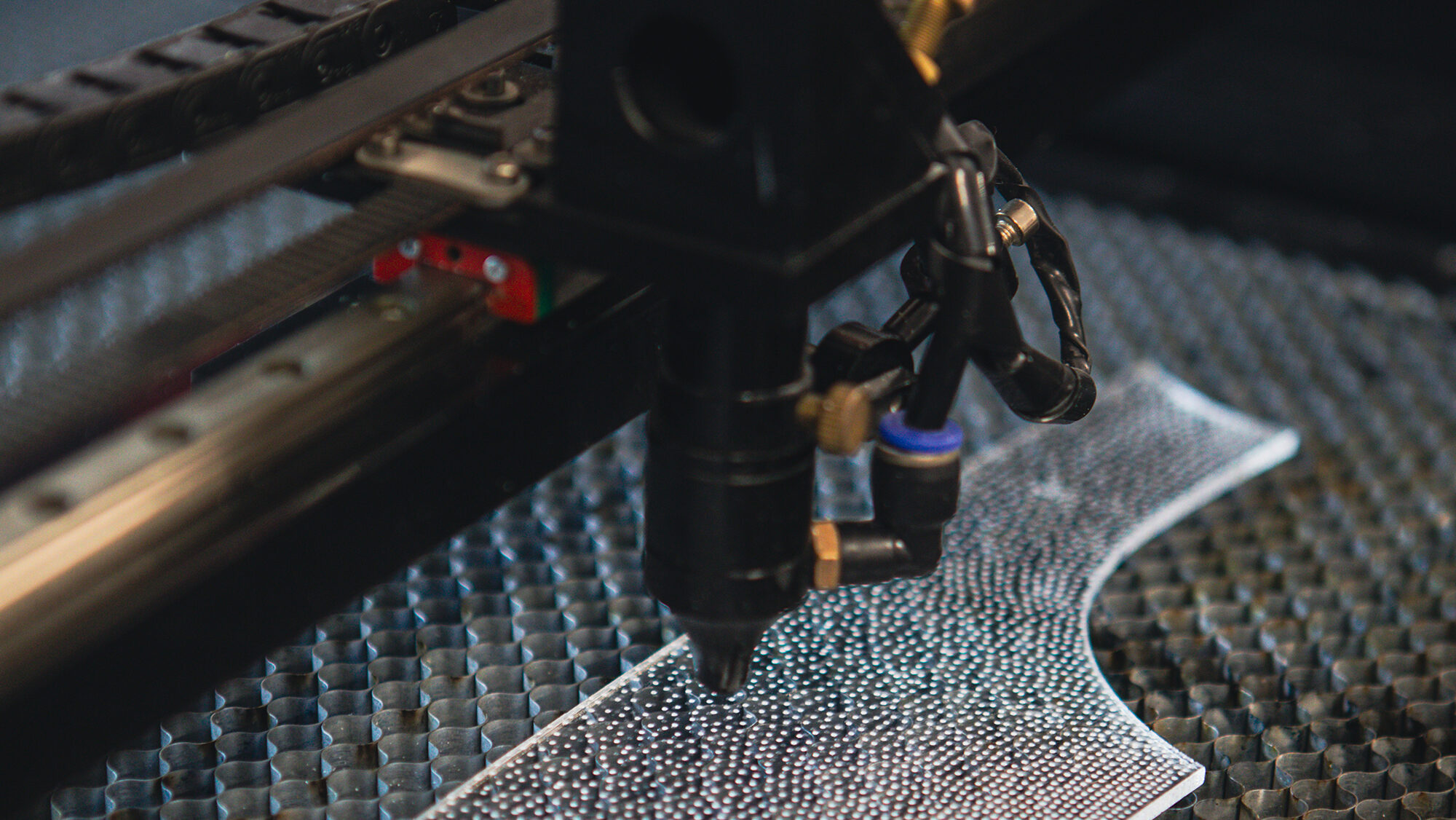
Single Point of Responsibility
One team manages all aspects of your lighting project, eliminating coordination complexity and simplifying accountability.
Production-Ready from Day One
Manufacturing principles and production considerations are applied from the concept stage, ensuring production readiness through proven methodologies.
Optimised Integration
Every optical, mechanical, and electronic component is designed to work together as an integrated whole for enhanced performance and reliability.
Cost-Effective Solutions
Our integrated approach reduces development time, tooling costs, and assembly complexity while optimising lifecycle costs.